

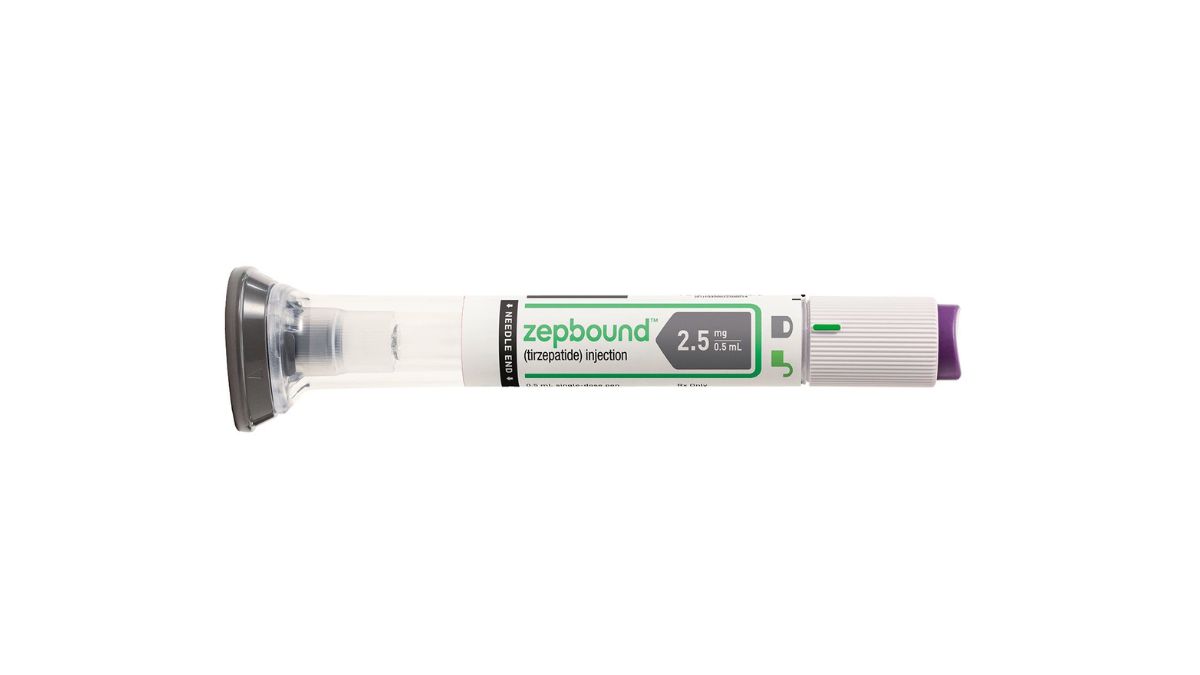
Eli Lilly’s weight loss drug, Zepbound, has shown significant benefits for patients with a common type of heart failure and obesity, according to new trial data released Thursday. This development could expand the use of Zepbound beyond weight management and lead to broader insurance coverage for the drug.
Key Findings:
- Heart Failure Benefits: Patients who took Zepbound were 38% less likely to be hospitalized or die due to heart complications compared to those on a placebo. The drug also reduced the need for increased heart failure medication.
- Symptom Improvement: Zepbound significantly improved symptoms and physical limitations associated with heart failure with preserved ejection fraction (HFpEF), such as fatigue and shortness of breath.
- Trial Details: The phase three trial followed over 700 patients for a median of two years. Participants included those with HFpEF and obesity, and some with diabetes.
Background:
HFpEF is a condition where the heart doesn’t pump enough blood to meet the body’s needs. It affects about 6.7 million adults in the U.S., with nearly 60% of these patients also having obesity. Zepbound’s positive effects on HFpEF symptoms could address a significant need in this patient population.
Market Implications:
- Eli Lilly’s Next Steps: The company plans to submit the trial results to U.S. regulators and other agencies later this year.
- Stock Impact: Eli Lilly’s shares rose more than 3% in morning trading following the announcement.
- Safety Data: Zepbound’s safety profile was consistent with earlier studies, with the most common side effects being gastrointestinal issues like nausea and diarrhea.
Competitor Landscape:
Eli Lilly’s main competitor, Novo Nordisk, is also exploring the use of its weight loss drug Wegovy in treating HFpEF. The FDA recently approved Wegovy for reducing serious heart complications, placing Novo Nordisk ahead in the GLP-1 market.
Future Outlook:
Both Eli Lilly and Novo Nordisk are researching their GLP-1 drugs for other conditions, including chronic kidney disease and fatty liver disease. These drugs work by mimicking hormones that suppress appetite and regulate blood sugar. Zepbound targets both GLP-1 and GIP hormone receptors, while Wegovy targets only GLP-1.
Eli Lilly will present its findings at an upcoming medical conference and submit the data for publication in a peer-reviewed journal.
